Meta Title: Giant Pandas – The Beloved National Treasure of China Meta Description: Learn about giant pandas, China’s iconic national treasure, covering habitat, diet, behavior, conservation efforts and global cultural significance.
Introduction
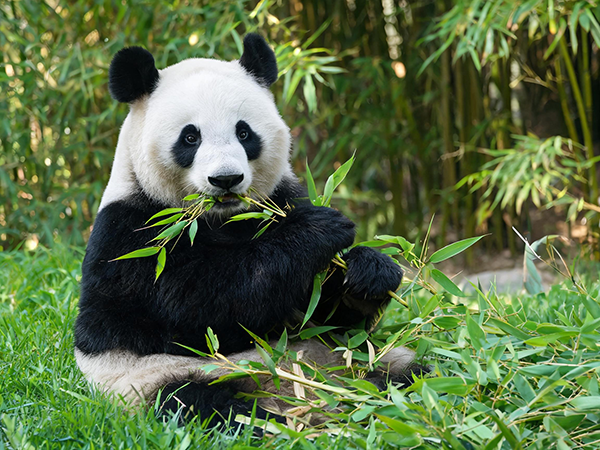
The giant panda (Ailuropoda melanoleuca) is one of the world’s most recognizable animals and the official national treasure of China. Famous for its distinctive black-and-white fur, round cheeks, fluffy body and gentle appearance, this peaceful creature has won affection across every continent. Beyond being a wildlife icon, the giant panda acts as a global symbol of wildlife conservation and serves as China’s amiable cultural ambassador to the world.
Natural Habitat
Wild giant pandas mainly live in the misty temperate mountain forests of Sichuan Province, with smaller populations scattered in southern Shaanxi and Gansu. These high-altitude bamboo forests offer cool, humid weather and abundant food sources. Centuries of habitat loss once restricted their living range, so China has built numerous nature reserves to protect their native environment.
Unique Diet
Although giant pandas belong to the carnivore family, their diet is overwhelmingly herbivorous. Roughly 99% of their food consists of bamboo. They consume dozens of kilograms of bamboo every day to gain enough energy. Their strong jaws and enlarged wrist bones (acting like a “pseudo thumb”) help them grasp bamboo stalks and strip leaves efficiently. Occasionally, wild pandas eat small rodents or wild fruits, but bamboo remains their staple.
Behavior & Characteristics
Giant pandas are typically solitary animals. They spend most of their day feeding, followed by short periods of rest. Unlike many bears, they do not undergo full hibernation. In cold winter months, they simply move to lower, warmer mountain areas instead of long-term dormancy.
Newborn panda cubs are extremely tiny, blind and nearly hairless at birth, weighing only around 100 grams. Mother pandas devote immense care to raising cubs, which take around one and a half to two years to become independent.
Conservation Story
Decades ago, giant pandas faced severe threats from habitat fragmentation and food shortages, listed as endangered species. Thanks to long-term systematic protection carried out by China:
- Establishing panda nature reserves
- Building ecological corridors to connect separated habitats
- Developing professional captive breeding and reintroduction programs
The International Union for Conservation of Nature (IUCN) downgraded the giant panda from “Endangered” to “Vulnerable”. This achievement is celebrated as one of the greatest success stories in global wildlife protection.
Cultural Significance & Panda Diplomacy
For Chinese people, giant pandas represent peace, gentleness, luck and harmony. Since the 20th century, China has carried out panda diplomacy. Giant pandas are sent to overseas zoos on long-term loan programs, acting as friendly messengers that strengthen cultural exchange and mutual understanding between China and other nations.
The giant panda also serves as the logo of the World Wildlife Fund (WWF), standing for the shared mission to protect endangered species and preserve biodiversity on Earth.
Conclusion
Cute, gentle and uniquely charming, giant pandas are far more than just China’s national treasure. They embody the harmony between humanity and nature. Successful panda conservation demonstrates how coordinated global efforts can rescue species at risk. Loved by children and adults worldwide, the black-and-white bear continues to bridge cultures and inspire people to cherish wild animals and natural environments.