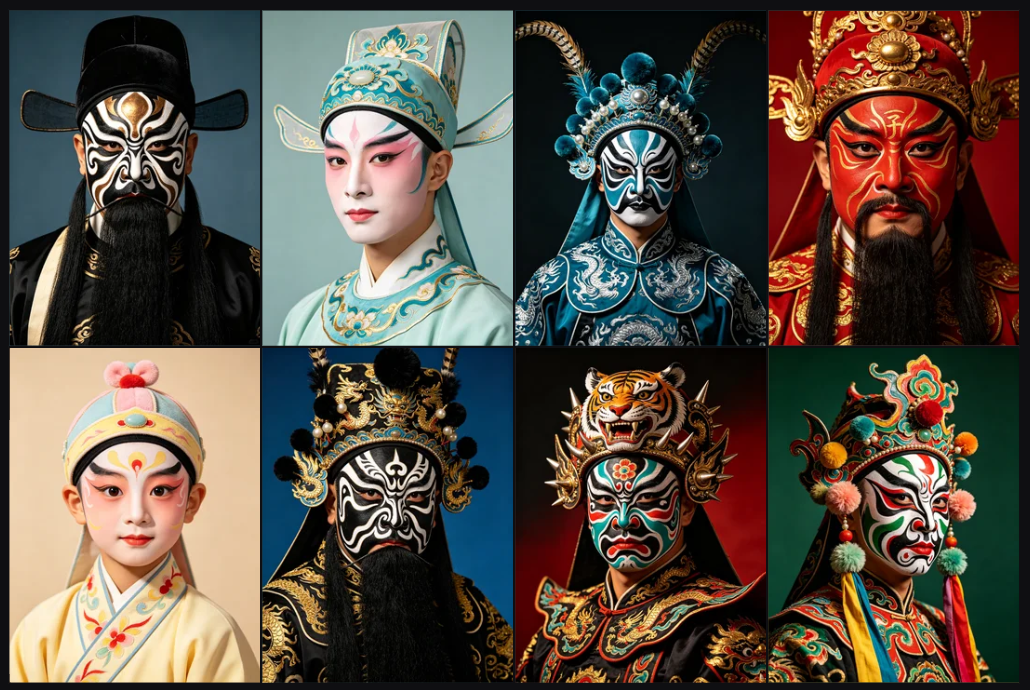
Peking Opera features four foundational role categories: Sheng, Dan, Jing, and Chou. While the eight classic subtypes of Dan roles represent all female stage characters, every male figure belongs to three core classifications: Sheng (orthodox male leads), Jing (painted-face roles), and Chou (clown roles). Together, these three categories build the full dimensional system of male imagery on stage, covering refined literati, loyal ministers, valiant warriors, heroic legends, domineering antagonists, and worldly comic characters.
This article systematically elaborates on all subtypes of Peking Opera male roles, including their core temperament, makeup characteristics, costume styles, performance priorities, and classic representative figures. Matching the structure and depth of the Dan role guide, this beginner-friendly tutorial forms a complete character classification system for traditional Peking Opera.
1. Sheng Role – Upright Orthodox Male Protagonists
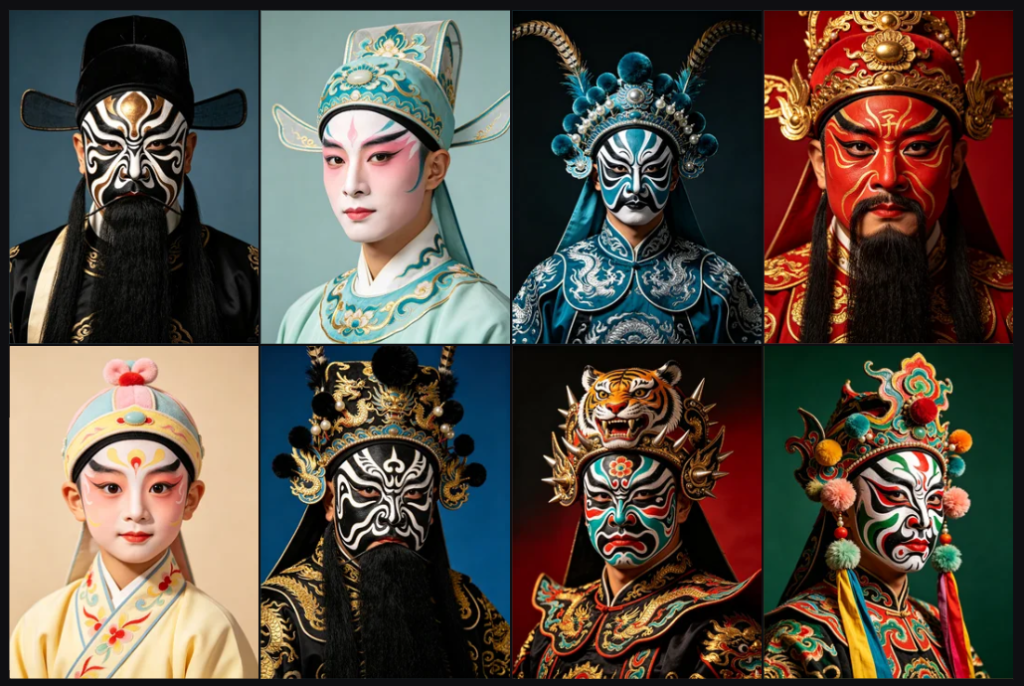
As the most fundamental and mainstream male role type in Peking Opera, Sheng roles adopt clean, plain facial makeup without exaggerated patterns, standing in sharp contrast to the vividly painted Jing roles. They exclusively portray dignified, upright, and morally exemplary male characters with elegant and orthodox temperaments.
Classified by age, social status, and literary or martial attributes, Sheng roles are divided into five standard subtypes: Lao Sheng, Xiao Sheng, Wu Sheng, Hong Sheng, and Wa Wa Sheng.
1.1 Lao Sheng (Mature / Elderly Male)
Lao Sheng is the most representative subtype of the Sheng category. It depicts upright middle-aged and senior males, including loyal court ministers, veteran generals, refined literati, and respectable elders, serving as the core literary role in classic Peking Opera repertoires.
- Core Temperament: Mature, steady, loyal, restrained, solemn, and benevolent
- Performance Features: Vocal-centered, featuring mellow, resonant, and layered singing to convey complex emotions; body movements and stage pacing are elegant, poised, and highly restrained
- Appearance Traits: Paired with black, gray, or white beards; costumes vary strictly according to the character’s age and official status
- Classic Roles: Zhuge Liang, Yang Yanzhao, Su Wu, Zhao Kuangyin
1.2 Xiao Sheng (Young Male)
Xiao Sheng specializes in portraying unmarried young nobles, literati, and youthful scholars. These characters are beardless, with fresh and delicate facial makeup, and adopt bright, clear operatic falsetto, presenting a pure, elegant, and vibrant youthful temperament.
This subtype is further refined into four distinctive branches:
- Robe-belt Xiao Sheng: Young princes and senior officials with dignified, luxurious bearing (e.g., Zhou Yu)
- Fan Xiao Sheng: Cultured literati and refined gentlemen, defined by gentle manners and fan-assisted gestures
- Poor Xiao Sheng: Underprivileged but upright and persistent grassroots scholars
- Wu Xiao Sheng: Teenage generals and young martial heroes who integrate martial prowess with elegant demeanor
1.3 Wu Sheng (Martial Male)
Wu Sheng encompasses valiant warriors, chivalrous wanderers, and battlefield generals. Unlike the vocal-focused Lao Sheng, this subtype prioritizes stage acrobatics, combat stunts, and martial posture, with singing serving as a supplementary expressive technique.
It is categorized into two professional styles based on costumes and performance logic:
- Long-Kao Wu Sheng: Grand generals in full armor and ceremonial battle flags, majestic and authoritative (e.g., Zhao Yun, Gao Chong)
- Short-Da Wu Sheng: Folk knights and chivalrous heroes in tight casual costumes, agile and unrestrained (e.g., Wu Song, Shi Xiu)
1.4 Hong Sheng (Red-Faced Male)
Hong Sheng is a unique and exclusive branch of the Sheng system. Characters feature full crimson facial makeup, symbolizing supreme loyalty, unparalleled heroism, and sacred aura, and typically portray legendary heroic icons.
- Classic Representatives: Guan Yu, Zhao Kuangyin
- Style Traits: Dignified, powerful, and solemn, with an awe-inspiring, saintly temperament
1.5 Wa Wa Sheng (Child Boy Role)
Wa Wa Sheng is dedicated to juvenile and child characters. With pure, innocent stage styling and naive, vivid body movements, it fully presents the sincerity and childishness of young figures, generally performed by young apprentice actors.
2. Jing Role – Painted-Face Males (Heroes, Tyrants & Divine Figures)
Known universally as painted-face roles, Jing boasts the most iconic visual styling in Peking Opera. This role type shapes male characters with distinct, intense, and extreme personalities, covering impartial loyal ministers, valiant generals, domineering tyrants, fierce warriors, and mythical deities and demons. Their colorful, patterned facial makeup serves as a visual code that directly reflects each character’s inherent temperament and moral attributes.
Based on performance focus and character positioning, Jing roles are professionally divided into four core subtypes:
2.1 Zheng Jing (Copper-Hammer Jing)
A vocal-dominated Jing subtype, mainly depicting upright, impartial senior ministers and loyal elders with steady temperament and profound vocal resonance.
- Core Traits: Just, selfless, stable, and solemn, with deep, powerful vocal tonality
- Classic Representatives: Bao Zheng, Xu Yanzhao
2.2 Jia Zi Jing (Frame Painted Face)
Focusing on body enactment, aura presentation, and stage demeanor, Jia Zi Jing portrays bold, unrestrained generals, heroic warriors, and domineering powerful figures with strong expressive tension and stage appeal.
- Classic Representatives: Zhang Fei, Li Kui, Cao Cao
2.3 Wu Jing (Martial Painted Face)
A pure martial-focused Jing subtype specializing in high-difficulty acrobatics and battlefield combat stunts. It depicts fierce, aggressive warriors with outstanding martial prowess and formidable momentum.
- Classic Representatives: Dian Wei, Green-Faced Tiger
2.4 Mao Jing (Oil Painted Face)
This subtype features exaggerated, bizarre styling, exclusively shaping supernatural and giant mythical figures, including gods, demons, underworld judges, and spiritual creatures, with highly dramatic and distorted facial patterns.
Color Symbolism of Painted Faces
Facial color is the core visual language of Jing roles, with fixed symbolic connotations in traditional operatic aesthetics:
- Red: Loyalty, bravery, righteousness, and heroic integrity
- Black: Impartiality, resoluteness, boldness, and straightforwardness
- White: Treachery, cunning, suspicion, and hypocrisy
- Blue/Green: Wildness, unyielding rebellion, and ferocity
- Gold/Silver: Divinity, immortality, monster attributes, and supernatural power
3. Chou Role – Clown & Comic Male Characters
Chou is the exclusive comic role system of Peking Opera, responsible for stage comic relief and plot rhythm adjustment. The most iconic feature of all Chou characters is a distinct white powder patch on the bridge of the nose, symbolizing wit, liveliness, worldly shrewdness, or minor personality flaws, bringing vivid, relaxed, and humorous effects to theatrical performances.
Classified by literary and martial attributes, Chou roles include two core subtypes:
3.1 Wen Chou (Civil Clown)
Covering grassroots civilians, shop proprietors, petty officials, humorous literati, and folk messengers, Wen Chou relies on witty dialogue, playful recitation, and exaggerated casual body movements to create lively comic scenes, reflecting authentic folk customs and worldly vitality.
3.2 Wu Chou (Martial Clown)
Wu Chou refers to agile, quick-witted martial comic characters. Defined by fast-paced movements, fluent rapid recitation, and flexible combat gestures, these roles are clever, bold, and tricky, perfectly blending martial agility with comic temperament.
- Classic Representative: Shi Qian, a famously agile and cunning thief in traditional opera repertoires
Quick Overview Table: All Peking Opera Male Role Types
| Role Category | Visual Feature | Core Temperament | Performance Focus |
| Lao Sheng | Clean plain face with stylized beards | Mature, loyal, calm and restrained | Melodious, emotional vocal performance |
| Xiao Sheng | Fresh youthful face, beard-free | Elegant, gentle, youthful and refined | Soft vocal delivery and delicate body enactment |
| Wu Sheng | Heroic plain face, specialized martial styling | Brave, upright, mighty and valiant | Acrobatics, combat stunts and stage posture |
| Hong Sheng | Full crimson facial makeup | Righteous, sacred, heroic and awe-inspiring | Grand vocal performance and dignified stage demeanor |
| Jing (Painted Face) | Colorful, symbolic patterned facial makeup | Strong, bold, distinctive and extreme | Aura presentation, vocals and martial techniques |
| Chou (Clown) | Signature white patch on nose bridge | Witty, lively, humorous and worldly | Comedic enactment and vivid conversational recitation |
Final Summary
To conclude, Peking Opera’s male role system follows rigorous and artistic classification logic:Sheng embodies orthodox and virtuous male archetypes, Jing shapes powerful, personalized and extreme characters, and Chou undertakes the theatrical comic atmosphere. Combined with the eight major Dan female role subtypes, these three male categories form the complete, systematic character framework of traditional Peking Opera, covering nearly all classic personality archetypes and temperament images in ancient Chinese theatrical and social aesthetics.