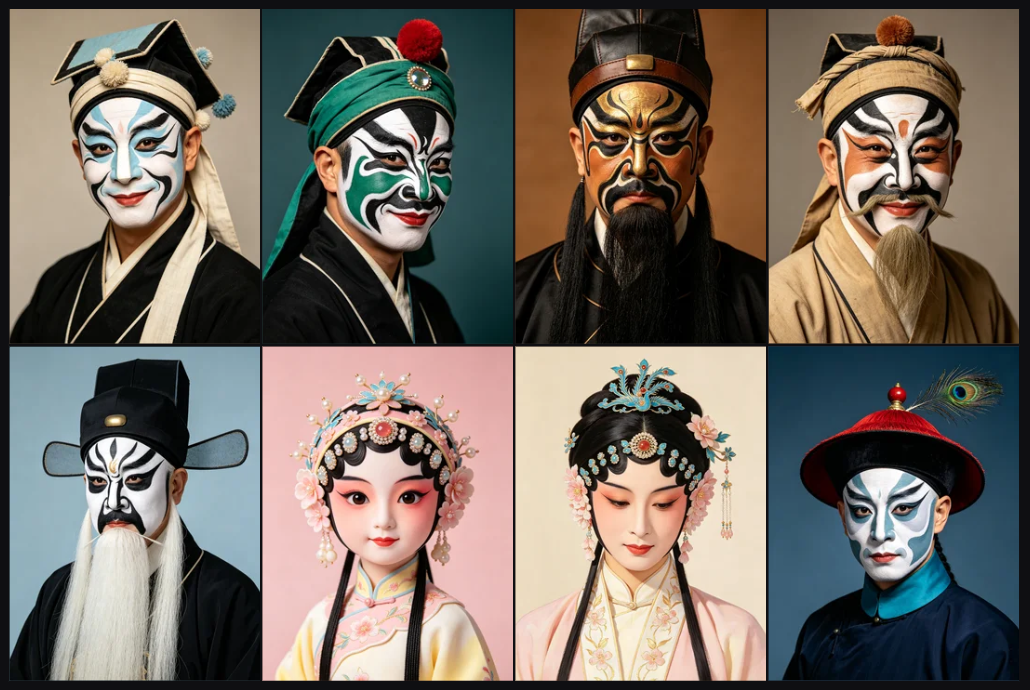
Our previous two guides have fully covered Peking Opera’s core role system, including the eight classic Dan subtypes and mainstream Sheng, Jing, and Chou male roles. However, a complete traditional opera cast consists of far more than leading characters. There exists a rich set of underrated minor roles, niche subtypes, functional supporting parts, and stage extras that are rarely explained in beginner tutorials.
These overlooked characters fill the hierarchy gaps of the standard role system, covering vanished ancient opera subtypes, child performers, auxiliary maids, refined clown branches, and scene-specific functional roles. This article systematically sorts out all unrepeated, unintroduced minor roles, completing the full classification framework of Peking Opera characters for collectors and art enthusiasts.
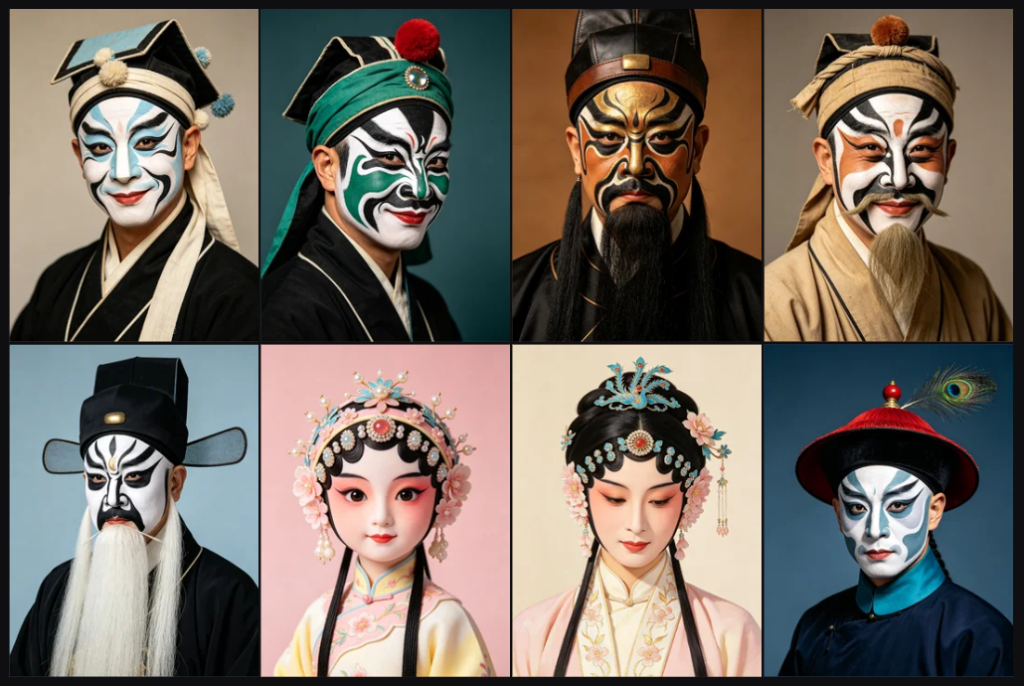
1. Mo Role – The Disappeared Fifth Core Role
Ancient traditional opera followed a five-category role system: Sheng, Dan, Jing, Mo, Chou. The Mo role once served as an independent core classification before being merged into Laosheng (mature male roles) during modern Peking Opera standardization, making it a little-known niche role today.
Unlike authoritative, protagonist-focused Laosheng roles, Mo exclusively portrays humble, elderly supporting males who act as background foils rather than central figures.
- Character Positioning:Senior housekeepers, aged servants, elderly attendants, rustic elders, and low-ranking veteran followers
- Temperament:Honest, prudent, loyal, modest, and unassuming
- Performance Features:Steady, understated movements and restrained emotions; no complex singing or acrobatics, focusing on driving basic plot development
- Appearance Traits:Simple, plain costumes paired with gray or white beards; ultra-light natural facial makeup with no ornate decoration
Core Distinction
Laosheng = Elite elderly protagonists (ministers, generals, renowned scholars) Mo = Civilian elderly supporting extras and attendants
2. Wawadan – Exclusive Child Girl Role (Juvenile Female Subtype)
Most learners are familiar with Wawasheng (young boy roles), yet few know Peking Opera has an official dedicated subtype for young females: Wawadan. As the only pure child-girl role in the Dan system, it features a unique youthful temperament completely distinct from adolescent and mature female characters.
- Character Positioning:Young noble daughters, juvenile maids, innocent village girls, and childhood versions of heroines
- Temperament:Pure, naive, lively, tender, and childlike
- Makeup & Style:Ultra-fresh light makeup without mature heavy blush or sharp eye contours; simple, neat hairstyles free of luxurious phoenix hair ornaments
- Actor Features:Usually performed by young opera apprentices to retain authentic childish innocence
Complete Age Hierarchy of Dan Roles
Wawadan (Child Girl) → Guimendan (Young Maiden) → Huadan (Vibrant Young Lady) → Tsing Yi (Mature Orthodox Woman) → Laodan (Elderly Woman)
3. Tiedan (Sixth Dan) – Secondary Supporting Maid Role
Tiedan, also called the Sixth Dan, is an overlooked branch of Huadan roles. It specializes in low-profile, secondary young maid characters, serving as the most common auxiliary female role in noble household and imperial court scenes.
- Role Positioning:Attendant maids and side servants with limited lines and subtle actions
- Character Traits:Gentle, quiet, obedient, and reserved, far less lively and playful than classic lead Huadan characters such as Hong Niang
- Stage Function:Foil leading heroines, enrich scene layers, and restore the immersive atmosphere of ancient aristocratic and palace life
4. Zhadan – General Palace Maid Group Role
Zhadan is a functional minor Dan role rarely mentioned in mainstream classifications. It refers to group palace maids and court waiting attendants that appear in large-scale imperial scenarios.
- Role Features:Unified group styling with no independent personality or solo lines, appearing in batches to set off solemn imperial etiquette and noble scenes
- Performance Characteristics:Neat, consistent standing postures and standardized collective movements with simple, elegant makeup
- Scenario Application:Imperial court ceremonies, royal banquets, and grand palace ensemble scenes
5. Four Niche Subtypes of Civil Chou
Our previous Chou guide divided clown roles into basic Civil and Martial types. In fact, traditional Peking Opera refines Civil Chou into four professional, distinctive niche subtypes, all of which are exclusive minor comic roles with unique positioning:
5.1 Fangjin Chou (Scholar Clown)
This subtype portrays pedantic, rigid, bookish, or hypocritical petty literati and failed scholars. Matched with square scholar headwear and plain Confucian robes, it features stiff, exaggerated bookish gestures to satirize the rigid thinking of ancient intellectuals.
5.2 Paodai Chou (Official Clown)
Paodai Chou depicts silly, mediocre, greedy, and absurd low-ranking grassroots officials. Dressed in miniature official robes and belts, it vividly shapes the image of incompetent, ridiculous petty bureaucrats in ancient society.
5.3 Chayi Chou (Commoner Clown)
The most down-to-earth civilian clown subtype, covering innkeepers, vendors, boatmen, shop assistants, and ordinary townsfolk. Its lively, natural, folksy performance restores the vivid, bustling atmosphere of ancient marketplaces.
5.4 Lao Chou (Elderly Clown)
Lao Chou represents kind, humorous elderly commoners, senior servants, and rustic villagers. It adopts a mild, simple comic style without excessive mischief, highlighting the honest, amusing temperament of ordinary elders.
6. Wuchou (Kai Kou Tiao) – Professional Martial Clown
Also known as Kai Kou Tiao in traditional opera terminology, Wuchou is a unique cross-border role that blends martial arts and comedy, not covered in basic role tutorials.
- Core Traits:Extremely agile physique, rapid recitation, flexible tumbling skills, and witty, tricky personalities
- Classic Representative:Shi Qian, the most iconic agile and clever folk thief in traditional opera repertoires
- Stage Value:Fills the blank between pure martial roles and pure comic roles, with high ornamental and technical performance value
7. Functional Stage Extras & Imperial Supporting Roles
Beyond standard role subtypes, Peking Opera features fixed functional minor roles that anchor almost all grand scenes. These essential background parts are rarely introduced in basic guides:
7.1 Taijian (Eunuch Role)
Specialized palace functional male roles responsible for proclaiming imperial edicts and assisting court rituals. Divided into steady, solemn senior eunuchs and lively, neat junior eunuchs, with standardized professional performance norms.
7.2 Longtao (Walk-on Ensemble Extras)
The most fundamental group roles in Peking Opera, including soldiers, attendants, civilian crowds, and city guards. Unified collective movements set off grand scene momentum and complete stage layouts, serving as an indispensable foundation for opera performances.
8. Quick Reference Table: All Supplementary Minor Roles
| Role Subtype | Gender | Core Trait | Stage Function |
| Mo | Male | Elderly, humble, loyal supporting | Background senior servants & attendants |
| Wawadan | Female | Pure, naive, childish juvenile | Child girl & juvenile female roles |
| Tiedan | Female | Quiet, gentle, auxiliary maid | Secondary supporting young female |
| Zhadan | Female | Neat, unified group styling | Collective palace maid extras |
| Fangjin Chou | Male | Pedantic, rigid, bookish & funny | Petty scholar comic roles |
| Paodai Chou | Male | Mediocre, silly petty official temperament | Ridiculous low-ranking bureaucrats |
| Chayi Chou | Male | Folksy, lively, down-to-earth | Ordinary marketplace civilian roles |
| Lao Chou | Male | Warm, simple, humorous elder | Elderly civilian comic roles |
| Wuchou | Male | Agile, witty, tricky martial comic | Acrobatic martial folk comedy roles |
| Taijian (Eunuch) | Male | Neat, rigorous, scene-functional | Imperial court auxiliary roles |
| Longtao (Extras) | Mixed | Uniform, auxiliary, scene-supporting | Stage background ensemble roles |
Full System Summary
With these supplementary minor and niche subtypes, the Peking Opera role system is now fully complete and systematic. The entire cast framework covers core mainstream leads (Sheng/Dan/Jing/Chou), professional subdivided minor roles, exclusive child roles, functional supporting parts, and stage ensemble extras. These underrated hidden roles are not redundant fillers — they build the layered, vivid, and realistic ancient social world on stage, forming the complete, authoritative character system of traditional Peking Opera alongside classic leading roles.